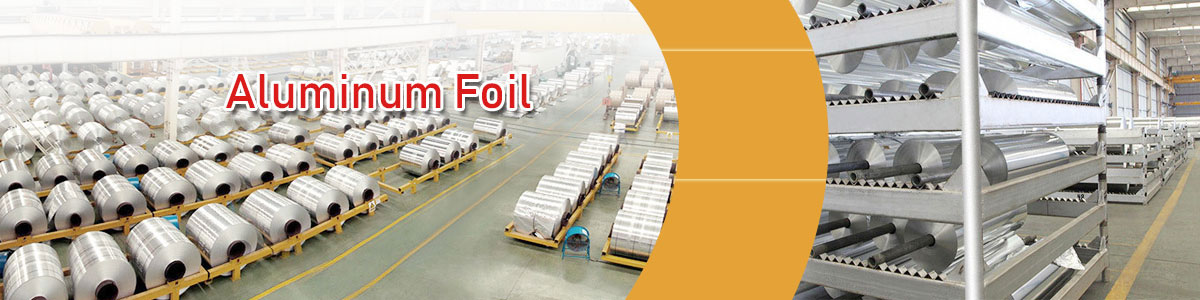
The most obvious difference between aluminium foil and aluminium sheet is their thickness. Aluminium foil is much thinner than aluminium sheet, making it more flexible and
Aluminum sheet and aluminum foil are not the same, and their differences primarily lie in their thickness, manufacturing process, and applications. While aluminum sheet
Aluminum foil and aluminum sheet are both made from aluminum but differ in thickness and usage. Aluminum foil is very thin, typically ranging from 0.0005 to 0.1 inches, and is used for
Aluminum foil is very thin and flexible, typically used for food packaging, cooking, and insulation due to its light weight and heat conductivity. It is also non-reactive, making it suitable for food
Aluminum, steel, stainless steel, copper and brass, are common non-ferrous metals available in metal sheet, plate, and foil options. Your project requirements will
What is the difference between aluminium foil and sheet? aluminium foil is any thickness of material thinner than .006". Material thinner than .0005" thick, has become more known as
Aluminum foil is a thin, versatile sheet made from aluminum metal. It is widely used in households, industries, and food packaging due to its unique properties and convenience.
"Aluminum foil is a thin metal sheet made from aluminum, commonly used for cooking and packaging, while tin foil is an outdated term for a similar product historically made from tin." Key Differences Aluminum foil is a
Aluminum sheet and aluminum plate are both widely used and respected due to the metal’s light-weight strength, along with high corrosion resistance. But what is the
The use of different, cold-rolled aluminum sheet more for the mold class, hot-rolled aluminum sheet suitable for stamping and drawing aspects. aluminum sheet with blue films. Tigers aluminum can produce 0.4-6.0mm
Metal foil, sheet, and plate are different classifications of metal based on their thickness, each serving unique purposes in various industries. Understanding these categories
Aluminium foil (or aluminum foil ... The reflectivity of dull aluminium foil is 80%, while shiny embossed foil reflects about 88%. [7] The difference in thermal properties between the two
Anodized aluminum foil is an excellent choice if you’re looking for a durable, reusable option for food storage and reheating. It’s stronger than regular foil and less likely to crinkle or tear, plus the oxide layer provides a barrier between
Aluminum sheet is any aluminum sheet metal thicker than aluminum foil but thinner than 6mm. Aluminum sheet are cut and leveled from aluminum coils and can be cut
Aluminum foil is a thin sheet made of aluminum metal. It is made by rolling aluminum ingots into thin sheets, usually 0.2 mm or less thick. Due to its excellent properties, aluminum foil has become a popular choice for