May 30, 2012 31,944 Posts. #10 May 26, 2012. cortez said: Aluminum bus bars are often in need of a good brushing to correct weird voltages and other intermittent problems. Even the older dual copper/ aluminum ones need a good cleaning and proper anti-oxidant treatment compared to the copper ones.
User Interaction Count: 20According the London Metal Exchange, the price ratio of copper to aluminium is currently over 3:1, representing a significant cost difference. As a result, aluminium allows specifiers and contractors to compile cost forecasts with more accuracy and has consistently provided huge project cost savings passed on from the busbar manufacturers.
Answer (1 of 4): Because aluminum is cheaper and a fairly good conductor. However, copper is much preferred because of its ability to carry more current with less resistance. Aluminum also suffers from having a lower melting temperature than copper — which can present a hazard under certain circu...
Because aluminum is cheaper and a fairly good conductor. However, copper is much preferred because of its ability to carry more current with less r...2Aluminium is more cheaper than copper and in case of bus bar there is no compulsion of space so we can also use more flatter or comparatively bigge...0Because although for the same current-carrying capacity an aluminum busbar will require a greater cross section area than copper, it will also be c...0The most important raw material in the production process of busbar is conductor.The material of the conductor directly influences the price of the...0May 30, 2012 31,944 Posts. #10 May 26, 2012. cortez said: Aluminum bus bars are often in need of a good brushing to correct weird voltages and other intermittent problems. Even the older dual copper/ aluminum ones need a good cleaning and proper anti-oxidant treatment compared to the copper ones.
Aug 27, 2021 Engineers disregard aluminum as a viable conductor for busbar systems because it takes a larger size of conductor to match the equivalent current capacity of a copper conductor. Pure aluminum is approximately 65 percent of the International Annealed Copper Standard (IACS), and its conductivity entirely depends on the alloy and temperature.
According the London Metal Exchange, the price ratio of copper to aluminium is currently over 3:1, representing a significant cost difference. As a result, aluminium allows specifiers and contractors to compile cost forecasts with more accuracy and has consistently provided huge project cost savings passed on from the busbar manufacturers.
Below is a bus bar material comparison chart, which recognizes the properties of typical copper and aluminum grades for use in bus bar manufacturing. Property (20°C) Copper (C101) Aluminum (1350) Electrical Conductivity (annealed) 101 % IACS. 61 % IACS. Electrical Resistance (annealed) 17.2 nΩ
Sep 26, 2009 I am going to get some bus bars for my new setup. I am looking at some .5"x2" bus bars Bars would be about 24" wide and would link my batteries listed in my sig. The pure copper bars would about $100, the aluminum would be like $25 Would I really see a
Jun 28, 2014 However, the differences are marginal as Lee Jones from Schneider Electric explains: “Tests show that in a 1400A load through 30 metres of 1600A of Canalis busbar trunking, the voltage drop for aluminium was just 0.32 per cent compared to 0.30 per cent for copper. This equates to a difference of only 5mV. “On longer runs, we calculated a ...
Aug 30, 2020 An aluminum bus bar must be thicker than its copper counterpart to achieve the same amount of conductivity. Nevertheless, aluminum is significantly lighter than copper. So, when correcting for weight, aluminum is far more conductive than copper. Arguably its crowning feature is aluminum's remarkable heat dissipation.
meh, I wonder what's the difference between Copper and Aluminum(or stainless steel? I can not distinguish it ) bus bars??? I have bought 2 CATL LiFePO4 batteries before but I found those two types bus bars in my storage box, which one is better? And what should I notice? 2 Types of Bus Bars. 0 comments. share. save. hide. report.
Apr 02, 2014 Aluminium: Inherently good for bus bars. eMail 7295 598 Tweet. Share. Back in the 1970s busbars were flat strips of copper that panel builders bought and installed in LV (low voltage) switchboards. In the 1980s mounting holes appeared and busbars were current-rated. But lining up the holes could make installation time-consuming.
Feb 20, 2020 Must Aluminum Bus Bar be Copper or Silver Plated? November 6, 2015. Q. Hi. I'm connecting Al 1100 bus bar to a MOD by copper/silver plated flexi-link. The flexi-link is bolted on both ends. The welders are saying Al cannot be bolted to flexi-link because it is copper and so the Al should be silver plated or we will have corrosion
The other reason for specifying hardware of a material similar to the bus bar is concern that differential expansion between the bus and the hardware may lead to loosening of the joint. For copper bus, which is used in almost all Powell switchgear, the difference between the expansion of the bus and the
Oct 27, 2013 A bus bar (also spelled busbar, buss bar or busbar), is a strip or bar of copper, brass or aluminum that conducts electricity within a switchboard, distribution board, substation, battery bank or other electrical apparatus. Its main purpose is to conduct electricity, not
Aluminium busbar current carrying capacity = 0.8 * Busbar width * Thickness in Amps. Also aluminium has the less current-carrying capacity as compared with copper. But performance/cost is high in aluminium bus bars. Take the same busbar of 100mm wide and 10 thick, the current carrying capacity of the aluminium busbar is 800 Amps.
Jan 15, 2020 Jan. 15, 2020. Busbars and cables have unique advantages and disadvantages. Familiarize yourself with the differences to use them properly. Paul Rako.
Below is a bus bar material comparison chart, which recognizes the properties of typical copper and aluminum grades for use in bus bar manufacturing. Property (20°C) Copper (C101) Aluminum (1350) Electrical Conductivity (annealed) 101 % IACS. 61
May 30, 2012 31,944 Posts. #10 May 26, 2012. cortez said: Aluminum bus bars are often in need of a good brushing to correct weird voltages and other intermittent problems. Even the older dual copper/ aluminum ones need a good cleaning and proper anti-oxidant treatment compared to the copper ones.
Aug 27, 2021 Aug 27, 2021 Engineers disregard aluminum as a viable conductor for busbar systems because it takes a larger size of conductor to match the equivalent current capacity of a copper conductor. Pure aluminum is approximately 65 percent of the International Annealed Copper Standard (IACS), and its conductivity entirely depends on the alloy and temperature.
According the London Metal Exchange, the price ratio of copper to aluminium is currently over 3:1, representing a significant cost difference. As a result, aluminium allows specifiers and contractors to compile cost forecasts with more accuracy and has consistently provided huge project cost savings passed on from the busbar manufacturers.
Apr 16, 2018 Apr 27, 2018 Sound differences between Copper and Aluminum Bus Bar Electrical Panels I have a Square D Homeline electrical panel that has an aluminum bus bar and I'm wondering if anyone hear went through the trouble to change the electrical panel to a copper bus bar type such as the Square D QO or any other manufacturer.
Aug 30, 2020 An aluminum bus bar must be thicker than its copper counterpart to achieve the same amount of conductivity. Nevertheless, aluminum is significantly lighter than copper. So, when correcting for weight, aluminum is far more conductive than copper. Arguably its crowning feature is aluminum's remarkable heat dissipation.
Sep 26, 2009 Sep 26, 2009 I am going to get some bus bars for my new setup. I am looking at some .5"x2" bus bars Bars would be about 24" wide and would link my batteries listed in my sig. The pure copper bars would about $100, the aluminum would be like $25 Would I really see a big difference between the two? What's the p...
Answer (1 of 4): Because aluminum is cheaper and a fairly good conductor. However, copper is much preferred because of its ability to carry more current with less resistance. Aluminum also suffers from having a lower melting temperature than copper — which can present a hazard under certain circu...
Bus-bar like a city water reserver where water accumulated and distributed from. Types of Bus bar Bus bar mainly classified into two, though the function is same. 1. In outdoor substation the bus bar is a kind of bulk sized aluminum conductor; 2. In indoor substation copper or Aluminum bar is used as bus bar.
Apr 02, 2014 Apr 02, 2014 Aluminium: Inherently good for bus bars. eMail 7295 598 Tweet. Share. Back in the 1970s busbars were flat strips of copper that panel builders bought and installed in LV (low voltage) switchboards. In the 1980s mounting holes appeared and busbars were current-rated. But lining up the holes could make installation time-consuming.
Jun 18, 2020 According the London Metal Exchange, the price ratio of copper to aluminum is currently over 3:1, representing a significant cost difference. As a result, aluminum allows specifiers and contractors to compile cost forecasts with more accuracy and has consistently provided huge project cost savings passed on from the busbar manufacturers.
Jun 28, 2014 Jun 28, 2014 However, the differences are marginal as Lee Jones from Schneider Electric explains: “Tests show that in a 1400A load through 30 metres of 1600A of Canalis busbar trunking, the voltage drop for aluminium was just 0.32 per cent compared to 0.30 per cent for copper. This equates to a difference of only 5mV. “On longer runs, we calculated a ...
meh, I wonder what's the difference between Copper and Aluminum(or stainless steel? I can not distinguish it ) bus bars??? I have bought 2 CATL LiFePO4 batteries before but I found those two types bus bars in my storage box, which one is better? And what should I notice? 2 Types of Bus Bars. 0 comments. share. save. hide. report.
Aug 26, 2021 Aug 26, 2021 Busbar system inside low-voltage switchgear (photo credit: Edvard Csanyi) For example, GE busway is 4.5” thick, but the width will vary.For 1000A busway, the aluminum bus will be approximately 22% larger than copper bus and for 4000A busway, the size difference increases to almost 27% larger for the aluminum.. Even though the size for the aluminum bus is
Sep 26, 2009 I am going to get some bus bars for my new setup. I am looking at some .5"x2" bus bars Bars would be about 24" wide and would link my batteries listed in my sig. The pure copper bars would about $100, the aluminum would be like $25 Would I really see a
Sep 21, 2021 Rectangular bus strips are mostly used in power systems. Copper and aluminum are used for the production of electrical bus bars. The most common size of a busbar is 40 × 4 mm (160 mm2); 40 × 5 mm (200 mm2); 50 × 6 mm (300 mm2); 60 × 8 mm (480 mm2); 80 × 8 (640 mm2) and 100 × 10 mm (1000 mm2)
and B-317-00 - Aluminum Alloy Extruded Bar, Rod, Pipe and ... much material weight as copper Benefits of Aluminum Bus Conductor ... What is the difference between bus pipe and bus tube? Bus Pipe is manufactured to a “nominal” (not actual) diameter . The wall thickness is described by a “schedule .” i .e . 4” Sch40 .
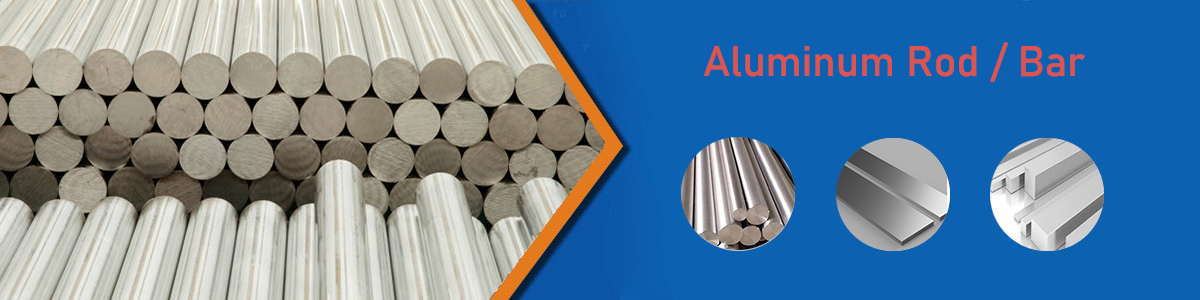
Aluminum busbar can be customized in different models and sizes. It is most often used for electrical suppression in low voltage applications.The primary differences between aluminum and copper bus bar is that aluminum is more cost-effective and lighter weight. Size and shape can be customized.
Sep 25, 2019 How Are Copper and Brass Different? by vortexmeadmin Sep 25, 2019 Brass, Buss Bar, Copper, Uncategorized. Knowing the difference between copper and brass can be a critical element in choosing just the right metal for your next project. Not familiar with how copper and brass differ? Here are just a few things to know about copper and brass ...
provided the gap between the bars is not less than the thickness of each bar. 2.2.1.2 Convection Heat Loss - Forced Air Cooling If the air velocity over the busbar surface is less than 0.5 m/s, the above formulae for Wv, Wh and Wc apply. For higher air velocities the following may be used: where: Wa is heat lost per unit length from bar, W/m
May 20, 2011 The four terms busway, bus duct, termination box, and bus box are one in the same; they are electrical enclosures that house copper or tin plated copper busbar that carry very large currents. The enclosures typically house four busbars mounted on custom Z-Brackets with specific insulators depending on the amperage and other specifications. These types of enclosures allow the
Jan 18, 2007 Tin plating is recommended for protection against corrosive environment. Unless the application has corrosive environment (for the copper), for all "normal" applications sivler plating is as good as any. RE: Silver plated versus tin plated copper
Sep 24, 2021 2001. A. Aluminum will be very susceptible to galvanic corrosion in contact with copper, assuming that the two metals are also in contact with a common electrolyte (such as water with some ionic content.) Almost any text or handbook on corrosion will have galvanic series table. The farther two metals or alloys are separated on the table, faster the corrosion of the less noble of the two will ...
FAQ 1: Galvanic/Dissimilar Metal Corrosion. Contact between dissimilar metals occurs frequently but is often not a problem. The aluminium head on a cast iron block, the solder on a copper pipe, galvanising on a steel purlin and the steel fastener in an aluminium sheet are common examples. Download ASSDA Technical FAQ 1 (PDF)
The busbar conductor material is often aluminum or copper and can come in a number of configurations. Laminate busways and busbars can be available in copper steel or stainless clad copper with additional insulation to enclose the conductors.
Aug 20, 2019 After heat treatment of 6082 T6 aluminium bus bar and 6061 T6 aluminium bus bar, the elongation after fracture is 8%, while after treatment of 6063 T6 aluminium bus bar, the elongation after fracture is 6%, so the toughness of 6082 is good. 6082 T6 aluminium bus bar belongs to 6 x x series (Al-Mg-Si) alloy aluminium plate, which can be strengthened by heat treatment.
COPPER AND COPPER ALLOYS • WHITE METALS AND ALLOYS • ALUMINUM AND ALLOYS • MAGNESIUM ALLOYS • TITANIUM ALLOYS • RESISTANCE HEATING ... of rods and bars and in cold-drawn wire; the converse is true for the larger sizes. In the case of carbon, alloy
A brief overview and explanation of two very popular Bar's Leaks products: the Liquid Aluminum Radiator Stop Leak (p/n 1186) and the Liquid Copper Block Seal...