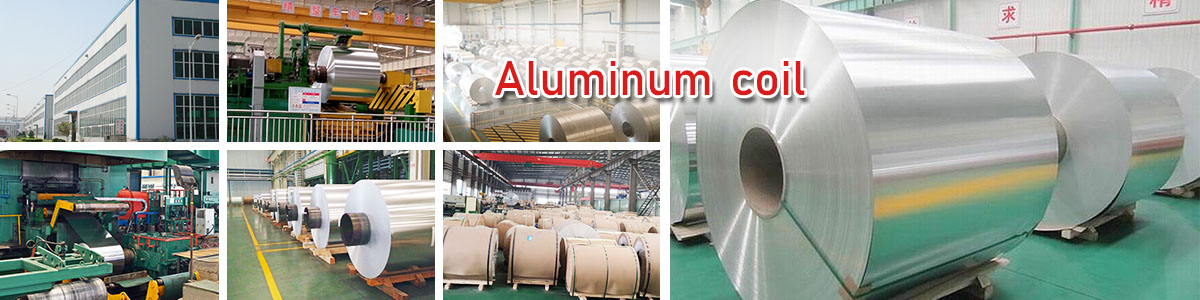
Aluminium Plate 5083, 5083 Aluminum Plate, UNS A95083 ALUMINIUM PLATE 5083 is offered with the relevant tests certifications. Manufacturer TC in conformance with EN 10204, raw material test report, radiography tests reports and other standard inspection reports are offered by the company
Commercial Aluminium. 5083 aluminium alloy is well known for its exceptional performance in the most extreme environments. The alloy displays high resistance to both seawater and industrial chemical environments. The product offers the highest strength of all the non-heat-treatable alloys but should not be used in temperatures above
Aluminium 5083 is known for exceptional performance in extreme environments. 5083 is highly resistant to attack by both seawater and industrial chemical environments. Alloy 5083 also retains exceptional strength after welding. It has the highest strength of the non-heat treatable alloys but is not recommended for use in temperatures in excess
Aluminum 5083 is a non-heat treatable alloy known for its resistance to extreme environments, including seawater corrosion and industrial chemicals. While featuring limited mability due to its exceptional strength, AL 5083 is the material of choice for marine and aquatic applications and is
Aluminium alloy 5083 contains 5.2% magnesium, 0.1% manganese and 0.1% chromium. In the tempered condition, it is strong, and retains good formability due to excellent ductility. 5083 has high resistance to corrosion, and is used in marine applications. It has
Aluminium 5083 HR Plate Exporter in Mumbai, Aluminium 5083 Cold Rolled Sheets Manufacturer, 5083 Aluminum Plate Suppliers, Aluminium 5083 Checkered Plates. Aloof from this, the enterprise expert conducts particular physical tests to ensure the feature before lastly passing it to the
5083 has a density of 2650kg/m3 and its melting point is at 518 °F (270°C). The modulus elasticity is 72 GPA and the thermal conductivity is 121 W/m.K. Why is this grade common in the automotive industry? It is often used in the automotive industry due to its high strength
19/4/2005 Aluminium 5083 is known for exceptional performance in extreme environments. 5083 is highly resistant to attack by both seawater and industrial chemical environments. The properties, applications and fabrication details are provided for aluminium alloy
Aluminium 5083 is known for exceptional performance in extreme environments. 5083 is highly resistant to attack by both seawater and industrial chemical environments. Alloy 5083 also retains exceptional strength after welding. It has the highest strength of the non-heat treatable alloys but is not recommended for use in temperatures in excess
Aluminium 5083 is known for exceptional performance in extreme environments. 5083 is highly resistant to attack by both seawater and industrial chemical environments. Alloy 5083 also retains exceptional strength after welding. It has the highest strength of the non-heat treatable alloys but is not recommended for use in temperatures in excess
Aluminum 5083 is a non-heat treatable alloy known for its resistance to extreme environments, including seawater corrosion and industrial chemicals. While featuring limited mability due to its exceptional strength, AL 5083 is the material of choice for marine and aquatic applications and is
Aluminium alloy 5083 contains 5.2% magnesium, 0.1% manganese and 0.1% chromium. In the tempered condition, it is strong, and retains good formability due to excellent ductility. 5083 has high resistance to corrosion, and is used in marine applications. It has
5083 aluminium alloy is an aluminium alloy with magnesium and traces of manganese and chromium. It is highly resistant to attack by seawater and industrial chemicals. Alloy 5083 retains exceptional strength after welding. It has the highest strength of the non
30/4/2021 Aluminium Grades 1050, 5052, 5083 and 5754. Different aluminium grades see a lot of use in engineering. While steel is more common, aluminium has cemented its place for many applications. Even though aluminium laser cutting is a little more complex. The reason for its success is in the mechanical properties of the material – they are
19/4/2005 Aluminium 5083 is known for exceptional performance in extreme environments. 5083 is highly resistant to attack by both seawater and industrial chemical environments. The properties, applications and fabrication details are provided for aluminium alloy
Aluminium plates 5083 grades Turkey The marine-grade aluminum we are familiar with may be 5052 aluminum, and many of its tempers can be used in marine aluminum-. In fact, there are many kinds of alloys, 5083 aluminum alloy is just one of them. Today,
Grade 5083 aluminium is a non-heat treatable alloy which has additions of magnesium, manganese and chromium that contribute to the materials exceptional performance in extreme environments. Grade 5083 offers a high resistance to attack in both seawater and industrial chemical environments. Commonly used in plate form Alloy 5083 also retains its
5083 vs 50 aluminum – marine aluminum 5083 vs 50 is the main alloy of aluminum plates for ships. In shipbuilding, 5083 and 50 aluminum plates are often used to process multiple parts such as the hull, console, and deck. These two alloys are
30/5/2021 Both 5083 aluminum and 6063 aluminum are aluminum alloys. They have a very high 95% of their average alloy composition in common. There are 32 material properties with values for both materials. Properties with values for just one material (1, in this case) are not shown. For each property being compared, the top bar is 5083 aluminum and the
Aluminum 5083 is a non-heat treatable alloy known for its resistance to extreme environments, including seawater corrosion and industrial chemicals. While featuring limited mability due to its exceptional strength, AL 5083 is the material of choice for marine and aquatic applications and is
5083 Aluminum Plate. Alloy 5083 aluminum plates have higher strength than 5052 plate and has exceptional thermal conductivity. In the tempered condition, it retains good formability due to excellent ductility. It is highly suitable for welding and can be hardened by cold
Aluminium Alloy ASTM B221 Standard ASTM, ASME, AMS, ASTM B221M, GB/T 3191, JIS H4040, ASTM B221, AMS QQ-A-200/9 Aluminium Round Bar Temper O, H12, H14, H16, H18, H22, H24, H26, H32, H112 Aluminium Bar Form
Grade 5083 aluminium is a non-heat treatable alloy which has additions of magnesium, manganese and chromium that contribute to the materials exceptional performance in extreme environments. Grade 5083 offers a high resistance to attack in both seawater and industrial chemical environments. Commonly used in plate form Alloy 5083 also retains its
5083 Marine Grade Aluminium Plate – Price Per Kg, 5083. 5083 marine grade aluminium plate. 1. Aluminium alloy 5083 contains 5.2percnt; magnesium 0.1percnt; manganese and 0.1percnt; chromium. In the tempered condition it is strong and retains good formability due to excellent ductility. 5083 has high resistance to corrosion and is used in
5083 vs 50 aluminum – marine aluminum 5083 vs 50 is the main alloy of aluminum plates for ships. In shipbuilding, 5083 and 50 aluminum plates are often used to process multiple parts such as the hull, console, and deck. These two alloys are
30/5/2021 Both 5083 aluminum and 6063 aluminum are aluminum alloys. They have a very high 95% of their average alloy composition in common. There are 32 material properties with values for both materials. Properties with values for just one material (1, in this case) are not shown. For each property being compared, the top bar is 5083 aluminum and the