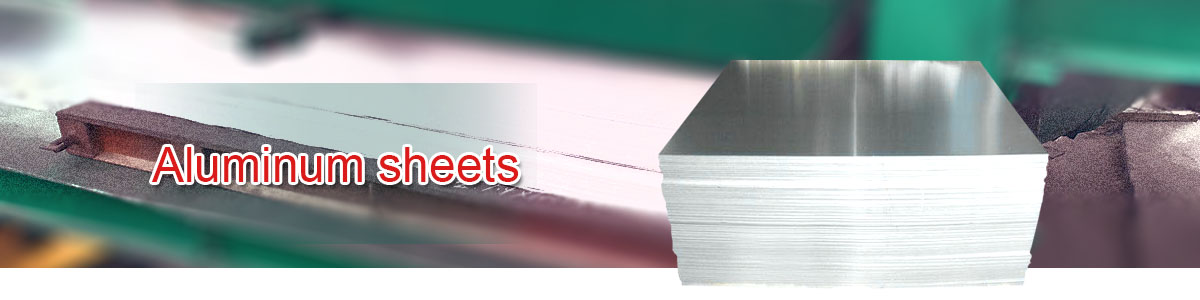
13.08.2020 Aluminum has a very high affinity to oxygen. When a new aluminum surface is exposed in the presence of air or any other oxidizing agent, it quickly develops a thin, hard film of aluminum oxide (or hydrated oxide in non-stagnant water). This aluminum oxidation is precisely what makes aluminum so corrosion-resistant.
预计阅读时间:8 分钟Aluminum: Highly polished Plate 0.04 - 0.06 Aluminum: Roughly polished 0.18 Aluminum: Bright Rolled Plate 0.04 - 0.05 Aluminum: Unoxidized 0.020 - 0.20 Aluminum: Oxidized 0.10 - 0.40 Aluminum: Heavily oxidized 0.20 - 0.31 Aluminum: Commercial Sheet 0.09 Aluminum: Rough 0.07 - 0.30 Aluminum: Anodized 0.60 - 0.95
文件大小: 174KB1. Aluminum anodization 1.1 History The history of electrochemical oxidation of aluminum dates back to the beginning of the last century. Anodic treatment of aluminum were intensively investigated to obtain protective and decorative films on its surface [1]. More recently, applications of porous alumina with a
20.05.2020 Stress corrosion cracking (here on out referred to as SCC) is a form of intergranular corrosion that can result in total failure of aluminium parts. Three conditions need to be fulfilled for this corrosion to occur. A susceptible alloy is the first of them. Not all aluminium alloys are equally prone to SCC. High yield strength alloys are more likely to suffer from stress corrosion cracking.
Plate, oxidized by heating at 600°C.....200-600.....0370-0.480 Nickel Oxide .....650-1254.....0.590-0.860 Chromnickel.....52-1034.....0.640-0.760
08.10.2019 The aluminium chequer plate shines again. E-NOX Clean removes: Limescale, annealing colours, mineral deposits, oxidation and rust. More information: https://...
作者: biocircleAluminium has high atmospheric oxidation resistance at normal temperatures as it oxidizes according to logarithmic rate law. In equation (14.10), based on diffusion of ions, the rate constant A = A 0 exp [-Q/RT], where Q is the activation energy for the rate controlling diffusion process. The growth rate law changes with temperature. For example, oxidation of titanium changes at about 360°C ...
Aluminium ist ein äußerst vielseitiges Material, das verwendet wird, um viele Sachen herzustellen, von Kochtöpfen bis zu Fahrrädern. Leider hat Aluminium die Neigung, mit der Zeit zu oxidieren, was bedeutet, dass das Material einen kalkigen, grauen Belag ansammelt. Wenn du beginnst, diese Oxidation sich bilden zu sehen, gibt es eine Anzahl Methoden, um sie zu entfernen. Fange damit an,
5A06 aluminum alloy plate as the anode and a stainless plate as the cathode was employed for anodizing. The ano-dizing bath contained 50 gL −1 sulfuric acid and 10 gL adipic acid. A constant voltage of 15 V was applied, and the anodizing time was 20 min. The temperature was main-tained at (25 ± 0.5)°C under vigorous stirring. After anodiz-
Our Alumina N TLC plates are coated with aluminum oxide (about pH 6-8). To ensure sufficient adherence an inert, organic binder is added to the aqueous suspension for coating. The aluminum oxide layer has a specific surface area of about 200 m 2 /g (BET) and pore size of about 60 Å. To activate the aluminum oxide layer, we recommend heating the TLC plates for
Aluminium. Plates. Raw Painted plates Anodised plates Tread plates DDQ ... This is because aluminium develops a thin oxide layer on the surface when the metal comes in contact with oxygen. The oxide layer protects the aluminium against corrosion and if it is damaged, it will immediately regenerate, provided there is oxygen present. If aluminium is stored in
an inert aluminum oxide film only a few ten-millionths of an inch thick, which blocks further oxidation. And, unlike iron rust, the aluminum oxide film does not flake off to expose a fresh surface to further oxidation. If the protective layer of aluminum is scratched, it will instantly reseal itself. The thin oxide layer itself clings tightly to the metal and is colorless and
Aluminum Corrosion. Some of the present aluminium corrosion challenges are the ramifications from the elimination of chromates as inhibitors in protection schemes, the tolerance of higher impurity levels due to the increased use of recycled metal, the integration of lithium into alloys while retaining corrosion resistance and the sensitisation of non-heat treatable
08.10.2019 The aluminium chequer plate shines again. E-NOX Clean removes: Limescale, annealing colours, mineral deposits, oxidation and rust. More information: https://...
作者: biocircleHow to bond aluminum. When looking to bond aluminum, it is important to keep in mind that aluminum surfaces often have a weak, invisible oxide layer. Just wiping with a solvent cleaner is not usually sufficient if a high bond strength is sought. Adhesives bond well to the oxide layer – however – the oxide layer isn't bonded well to the ...
Aluminium Anodization at Home: Anodization a kind of hydrolysis that used to prevent long term corrosion on metal and make them scratch-resistant. also it's plated metal holds the paint better.Usually it's an expensive process and hard to access necessary materials, but most meta
Aluminum oxide reacts with sodium hydroxide to produce sodium aluminate and water. This reaction takes place at a temperature of 900-1100°C.
04.03.2016 The aluminium oxide is known to be chemically/electrochimically a stable film. Therefore, the oxide film of the aluminium can be considered as the auxiliary (cathode) electrode in Li ion battery ...
Our Alumina N TLC plates are coated with aluminum oxide (about pH 6-8). To ensure sufficient adherence an inert, organic binder is added to the aqueous suspension for coating. The aluminum oxide layer has a specific surface area of about 200 m 2 /g (BET) and pore size of about 60 Å. To activate the aluminum oxide layer, we recommend heating the TLC plates for 10 minutes at 120°C. For ...
5A06 aluminum alloy plate as the anode and a stainless plate as the cathode was employed for anodizing. The ano-dizing bath contained 50 gL −1 sulfuric acid and 10 gL adipic acid. A constant voltage of 15 V was applied, and the anodizing time was 20 min. The temperature was main-tained at (25 ± 0.5)°C under vigorous stirring. After anodiz-
If brass and aluminum plates are connected by a passivated 304 stainless steel bolt, both the brass and the aluminum will corrode severely where they touch the stainless steel because they are much more anodic than stainless steel. The aluminum plate will corrode more heavily due to it being more anodic to stainless steel than brass is. The aluminum will also corrode where its exposed surface ...
Aluminum metal quickly forms an oxide which can weaken the plating adhesion. To prevent the oxide from forming, we use a zinc immersion film called a zincate prior to the nickel strike. For difficult to plate alloys we use the zincate step twice called “double zincate” for optimal adhesion. Decorative nickel chrome plating on aluminum alloys has been a reliable commercial process since the ...
Aluminium Anodization at Home: Anodization a kind of hydrolysis that used to prevent long term corrosion on metal and make them scratch-resistant. also it's plated metal holds the paint better.Usually it's an expensive process and hard to access necessary materials, but most meta
It is possible to plate various metals onto aluminum alloys including nickel, tin, and precious metals such as silver and gold. A common problem when working with aluminum and aluminum alloys is their tendency to form an oxide that can prevent proper adhesion of the coating. Applying a zinc immersion film as an undercoating before plating the workpiece with nickel can usually alleviate this ...
When the temperature of aluminium is increased, the metal expands and this is called thermal expansion. One example of thermal extension is that if, for example, the temperature of a piece of aluminium alloy 6063 is -20 ̊C and its length is 2700 mm long, and it is heated to a temperature of 30 ̊C, it will subsequently be 2703 mm long due to thermal expansion.
LIAN CHEONG HARDWARE (PTE) LTD is a leading manufacturers exporter of Aluminum Alloy Checkered Plate in Singapore. We specialize in providing aluminium plates for flooring, shipbuilding, decorative, walkways and architectural application. Call us at: +65 6863 2988.
04.03.2016 The aluminium oxide is known to be chemically/electrochimically a stable film. Therefore, the oxide film of the aluminium can be considered as the auxiliary (cathode) electrode in Li ion battery ...
Aluminiumplatten Kaufen – Bei Metall-Fachhandel.de. Die Vorteile von Aluminiumplatten sind in der Praxis zahlreich, denn nicht umsonst ist Aluminium mit seinen nützlichen Eigenschaften eines der weltweit am meisten verwendeten Metalle. Zum einen wäre da die geringe Dichte, von ca. 2,7 – 2,8g pro cm³, was gerade mal einem Drittel der Dichte von Stahl entspricht.
5A06 aluminum alloy plate as the anode and a stainless plate as the cathode was employed for anodizing. The ano-dizing bath contained 50 gL −1 sulfuric acid and 10 gL adipic acid. A constant voltage of 15 V was applied, and the anodizing time was 20 min. The temperature was main-tained at (25 ± 0.5)°C under vigorous stirring. After anodiz-
Auf Aluminium bildet sich in Kontakt mit Sauerstoff eine dünne, aber dichte Oxidschicht, die das Aluminiummetall unter normalen Umgebungsbedingungen gegen weitere Oxidation schützt. Bei einer Dicke zwischen etwa 5 nm und 20 nm ist die Schicht zudem vollkommen transparent (d. h. unsichtbar) und bewahrt dadurch den metallischen Charakter des Aluminiums.
The bipolar plate material was SUS 304 stainless steel measuring 4 cm × 4 cm × 0.6 cm ... metals (i.e., electrocatalysts or membrane poisoning) and on the other hand, surface passivation by formation of oxide layers increases the electrical contact resistance. A broad variety of metals with different protective coatings have been tested. Noncoated bipolar plates are made of aluminum ...
26.09.2018 Aluminum oxidation happens faster than that of steel, because aluminum has a really strong affinity for oxygen. Rather than flaking though, aluminum oxide just forms a hard, whitish-colored surface skin. When all the aluminum atoms have bonded with oxygen the oxidation process stops. Aluminum Corrosion . Scratching this oxide skin exposes bare metal, and the process begins again.
01.06.2018 Interestingly, aluminum inherently protects itself from this corrosion in stable conditions (pH of around 4.5-8.5) by readily oxidizing—creating a very thin layer of aluminum oxide when it comes in contact with the surrounding oxygen. This layer of oxide is what we seek in anodizing, but it is not of a sufficient thickness to serve our applications. Thus, we need to remove it with a solution ...
Oxidation resistance: The aluminium coating forms two layers that protect the steel core. On the very surface, a thin aluminium oxide layer is formed. Underneath, the aluminium is mixed with steel and silicon, which is added in the aluminizing process in small quantities. Below that, there is the steel core which retains its original yield strength and other material properties. The aluminium ...
Second, bauxites are processed into alumina or aluminium oxide, and finally in stage three, pure aluminium is produced using electrolytic reduction, a process in which aluminium oxide is broken down into its components using electric current. About 4-5 tonnes of bauxites get processed into 2 tonnes of alumina from which about 1 tonne of aluminium can be made. There are several minerals ...
Aluminum oxide is a hard, high-resistance film that forms immediately on the surface of aluminum exposed to air. This tough film gives aluminum its good corrosion resistance. After a few hours, the oxide film formed is too thick to permit a low-resistance contact with cleaning. The film is so transparent that the bright and clean appearance of an aluminum conductor is no assurance of a good ...
Aluminium Anodization at Home: Anodization a kind of hydrolysis that used to prevent long term corrosion on metal and make them scratch-resistant. also it's plated metal holds the paint better.Usually it's an expensive process and hard to access necessary materials, but most meta
Aluminiumoxid (Al2O3) Eigenschaften. Sehr gute elektrische Isolation (1x10 14 bis 1x10 15 Ωcm) Mittlere bis hohe mechanische Festigkeit (300 bis 630 MPa) Sehr hohe Druckfestigkeit (2000 bis 4000 MPa) Hohe Härte (15 bis 19 GPa) Mittlere Wärmeleitfähigkeiten (20 bis 30 W/mK) Hohe Korrosions- und Verschleißbeständigkeit. Gute Gleiteigenschaften.