Anodising is a process for producing decorative and protective films on articles made from alumnium and its alloys. It is essentially a process where a thick film of aluminium oxide is built up on the surface of the aluminium through the use of a direct current electrical
The Anodising Process. Anodising is a process of finishing on aluminium in which the visual appearance of the metal is changed to be aesthetically pleasing. This visual appearance must have colour stability and durability, particularly for exterior use. The aluminium is anodised by the passing of an electrical current from the anode to the
The density of Anodising Aluminium is 2.80 g/cm 3. Manufacturing of the Anodising Aluminium products are done with variuos techniques such as AS REQUIRED. Many countries trade in Anodising Aluminium around the globe. The page has a detailed list of Anodising Aluminium suppliers based in
Choose Tri-State Aluminum for Expert Aluminum Anodizing. Aluminum anodizing is a multi-step finishing process that creates a durable, tough, and corrosion-resistant surface layer on aluminum parts. It can also be used to change the color and texture
Anodizing. Anodising is the general name applied to methods. of treating metals, where the work piece is made. the anode in an electrolytic cell, usually to form. oxide coatings for the purpose. of increasing the performance of the surface. In the case of aluminium, the anodising. process forms a layer of aluminium
Anodising is an electrochemical process that transforms the metal surface into a decorative, durable, and anti corrosive anodic oxide finish. The Anodising process is conducted by passing an electric current through an electrolyte with aluminium to be coated as an anode. The oxygen ions released from the electrolyte get deposited on the surface
The anodising process explained. Despite being a corrosion resistant metal, depending on the environment and application, aluminium may still corrode, tarnish, and oxidise. The process of anodising aluminium enhances its natural resistance to corrosion and helps offer a more aesthetic and consistent finish to protect its overall
Choose Tri-State Aluminum for Expert Aluminum Anodizing. Aluminum anodizing is a multi-step finishing process that creates a durable, tough, and corrosion-resistant surface layer on aluminum parts. It can also be used to change the color and texture
Anodising is a process for producing decorative and protective films on articles made from alumnium and its alloys. It is essentially a process where a thick film of aluminium oxide is built up on the surface of the aluminium through the use of a direct current electrical
Anodising is a process in which aluminium is electrically charged within a sulphuric acid solution, oxidising and opening the pores of the surface to enable inks to be printed into the aluminium. This is then sealed to provide a durable, hard wearing finish. GSM can supply matt or bright anodised finishes and we can also brush the material
Anodising is an electrochemical process that transforms the metal surface into a decorative, durable, and anti corrosive anodic oxide finish. The Anodising process is conducted by passing an electric current through an electrolyte with aluminium to be coated as an anode. The oxygen ions released from the electrolyte get deposited on the surface
Anodising is the name for a treatment method of aluminium in which an electrochemical process is used to form an oxide layer on the material. This allows the oxide layer to form a protective layer on the aluminium. What is unique, is that no additional layer is applied to the aluminium during anodising. Anodising creates a layer that is built
The process. Batch (or piece), sheet, and coil all consist of three processing stages: Pre-treatment The aluminium surface is first cleaned and then chemically treated (etching). Etching results in a satin matte appearance and it can appear in various degrees (i.e. light, medium, heavy).
Anodising. Anodising is an electrochemical process that converts a metal surface into a decorative, anodic oxide finish. The anodic oxide structure is made up of a layer of aluminium oxide on the surface of the aluminium which slightly increases the thickness of the metal. The aluminium oxide is not attached to the surface like paint or
Anodising is the general name applied to methods of treating metals, where the work piece is made the anode in an electrolytic cell, usually to form oxide coatings for the purpose of increasing the performance of the surface.. In the case of aluminium, the anodising process forms a layer of aluminium oxide – Al 2 0 3 – or corundum, which is very hard, relatively inert, electrically
Anodising is an electrochemical process of producing an oxide Þlm over the surface of aluminium by passing a current at sufÞcient voltage through a suitable electro-lyte using aluminium as the anode and lead or graphite or stainless steel as the cathode. The widely used anodising electrolyte is sulphuric
The anodising process reduces the fatigue life of aluminium, more so with higher thicknesses. For this reason, thinner films of Chromic Anodising are often used in Military and Defence applications. Non-Aluminium not compatible. During the Anodising process high voltages can cause non-aluminum inserts and foreign components to
The density of Anodising Aluminium is 2.80 g/cm 3. Manufacturing of the Anodising Aluminium products are done with variuos techniques such as AS REQUIRED. Many countries trade in Anodising Aluminium around the globe. The page has a detailed list of Anodising Aluminium suppliers based in
The anodising process itself takes about 30–40 minutes, with nothing particularly dramatic happening, so you will need to plan other activities to fill the time. At the start of the experiment, show the students the effervescence due to the hydrogen evolved from the cylindrical aluminium
Anodising is an electrolytic process for producing thick oxide coatings, usually on aluminium and its alloys. The oxide layer is typically 5 to 30µm in thickness and is used to give improved surface resistance to wear and corrosion, or as a decorative
The aluminum oxide layer formed in the anodizing process is a porous aluminum oxide that can be colored. However, you have to be careful when coloring your anodized aluminum. Depending on the chosen aluminum alloy you might have a coloration of the aluminum oxide layer. This can change the appearance of your final color layer by a few
Anodising is the general name applied to methods of treating metals, where the work piece is made the anode in an electrolytic cell, usually to form oxide coatings for the purpose of increasing the performance of the surface.. In the case of aluminium, the anodising process forms a layer of aluminium oxide – Al 2 0 3 – or corundum, which is very hard, relatively inert, electrically
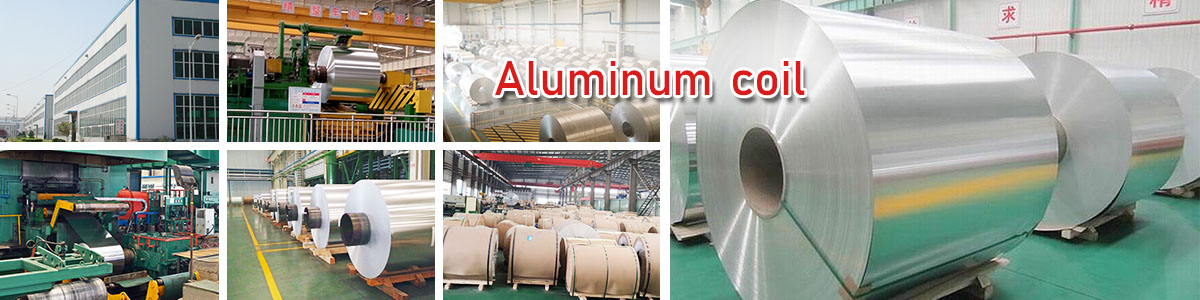
We can produce aluminum products by customer\'s requirements, and our products mainly includes aluminum sheet plate, aluminum coil, aluminum foil, aluminum strip, round aluminum circle, aluminum tread plate, embossed stucco aluminum, reflective mirror aluminum, anodized aluminum, color coated aluminum, heat transfer plates, and other aluminum machining parts