Aluminium foil saves far more resources than are consumed in its production throughout the supply and value chain. Aluminium foil provides absolute barrier against moisture, light
Facts about aluminium foil - Home - EAFA - The Facts about aluminium foil. Aluminium foil is very thinaluminium sheet (up to 200 µm or 0.2 mm). For the latest European marketposition see Statistics. Chat Now Send Inquiry; Facts About Aluminum - Live Science. Properties, uses and sources of the element
10 Facts about Aluminum Foil. Facts about Aluminum Foil elaborate the ideas about thin metal leaves created from aluminum. It is very thin since. January 4th 2021 |
Aluminum foil has a shiny side and a dull side, a result of the manufacturing process in which layers of foil pass through a rolling mill. But one side is not functionally different from the other, unless you\'re using nonstick foil. (In that case, put food on the treated, or dull,
Aluminum foil is a thin sheet of metal foil or metal leaf composed of an aluminum alloy containing roughly 92–99 percent aluminum. It usually has a thickness between 0.0002 to 0.006 inches, but its width and strength vary greatly based on the intended
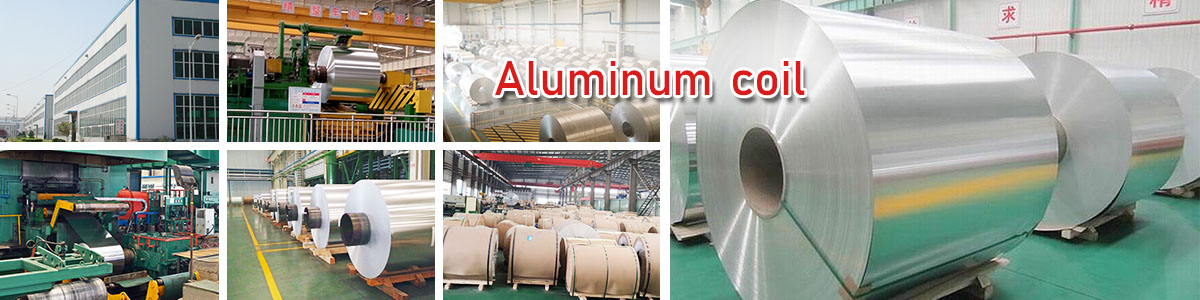
Making aluminium foil. Alufoil is a very thin sheet of aluminium ranging from about 0.006 mm to the upper ISO defined limit of 0.2 mm (200 µm). It is produced by first rolling heated ingots (hot rolling) down to coils of thickness between 2 and 4
10 Facts about Aluminum Foil. Facts about Aluminum Foil elaborate the ideas about thin metal leaves created from aluminum. It is very thin
Aluminum Foil Background Aluminum foil is made from an aluminum alloy which contains between 92 and 99 percent aluminum. Usually between 0.00017 and 0.0059 inches thick, foil is produced in many widths and strengths for literally hundreds of applications. It is used to manufacture thermal insulation for the construction industry, fin stock for air conditioners, electrical coils for
Foil Facts What is Aluminium Foil ? Foil is a very thin sheet of rolled aluminium supplied in its pure form (`commercial purity`) or in a variety of alloys and tempers which give a wide choice of tensile properties. The thickness of foil ranges from the thinnest currently produced commercially at
Aluminum foil – sometimes incorrectly called tin foil – is a thin, prepared sheet metal made of aluminum, often used in cooking (and food storage!).. Although it may seem a little dull at first glance (especially on its dull side), aluminum foil has quite a fascinating story behind it.Many incredible things occurred before it became a staple in the modern
Aluminum foil is safe to use in the whole range of temperatures applied in the conventional stoves ( up to 250C) if you avoid certain practices. Using aluminum foil to wrap acidic foods (e.g. marinated meat or lemons) leads to aluminum leaching that can negatively affect health. . ( 10, 11, 12
Facts About Aluminum - LiveScienceProperties, uses and sources of the element aluminum. Also known as aluminium, the name was changed by the American Chemical Society in
Tidy! Around 5.9 billion aluminium drinks cans are recycled in the UK every year. That\'s enough to circle the world almost 18 times if laid end to end. Recycling one tonne of aluminium saves the carbon dioxide emissions of driving nearly 27,000 miles. Recycling one aluminium can saves enough energy to run a evision for three
Aluminum Foil Background Aluminum foil is made from an aluminum alloy which contains between 92 and 99 percent aluminum. Usually between 0.00017 and 0.0059 inches thick, foil is produced in many widths and strengths for literally hundreds of applications. It is used to manufacture thermal insulation for the construction industry, fin stock for air conditioners, electrical coils for
Aluminum foil – sometimes incorrectly called tin foil – is a thin, prepared sheet metal made of aluminum, often used in cooking (and food storage!).. Although it may seem a little dull at first glance (especially on its dull side), aluminum foil has quite a fascinating story behind it.Many incredible things occurred before it became a staple in the modern
Keep on rolling: Facts about foil . Brief History. For more than a century aluminium has been a key material for many industries. It became plentiful once it was possible to extract the aluminium cost effectively and in commercial quantities from Bauxite in the late 19 th century. Today it reaches every part of modern society: packaging is a primary user, along with kitchenwares; insulation
Aluminum foil is also used to make aseptic packaging. This type of packaging enables storage of perishable goods without refrigeration. Aluminum in automobiles saves 44 million tons of CO2 emissions. Independent studies have confirmed that aluminum in automobiles has a 20 percent smaller life cycle CO2 footprint than steel. And compared with
Aluminum foil is being mixed with flexible films to create lightweight and durable packaging that allows the foil to expand during production and contract after consumption of the product, resulting in a reduction of waste. Aluminum foil manufacturing and distribution require less energy than many other processes. Methods are in the developing
Aluminum Foil Boats . Author: Brad Ferris . Institute for Chemical Education and Nanoscale Science and Engineering Center . University of Wisconsin- Madison . Purpose: To learn about buoyancy forces through the designing of aluminum foil boats . Learning Objectives: 1. Understand that buoyancy is the ability of an object to float in a liquid.
foil that is 30.4 cm x 40.0 cm. (30.4 cm is the standard width of commercial al u-minum foil.) 5. Crush the sheet of foil into a s mall ball, and weigh it on a milligram balance to the nearest milligram. Record this value. 6. Using the formula below, calculate the thickness of commercial aluminum foil
Interesting facts about aluminum cans. Here are a few facts about aluminum cans that may amaze and astound you—or at least make you think: Approximay 200 billion aluminum beverage cans are purchased by consumers around the world each year