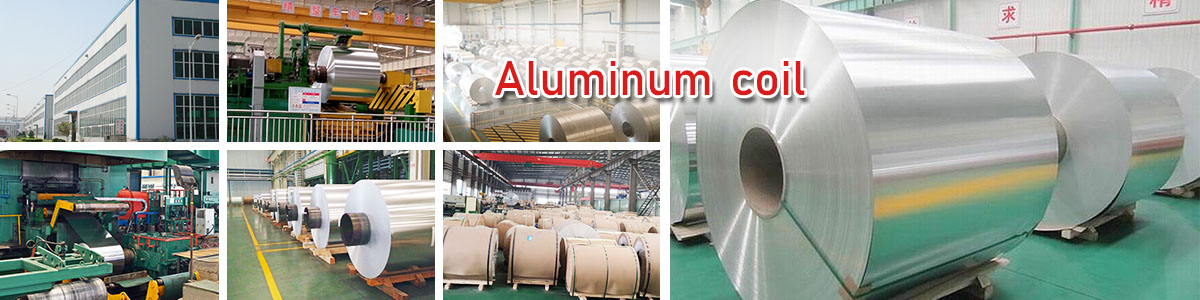
No matter which side of the foil you use, you will find that the heat conduction performance is the same. Traditionally, the shiny side is placed face up on the roll, and the dull side is face down. This is for an atheistic effect rather than as an indication of which side you should
“The ‘shiny’ side is the side milled without being in contact with another sheet of metal. The performance of the foil is the same, whichever side you use.” But pay attention if you are
The shiny side is shiny because of the way foil is made. During the last pass through the rolling mill, a double thickness of foil is run between the rollers. The side of each sheet that comes in contact with the polished steel rollers comes out shiny. The other side has a matte
For instance, special, non-stick foil has a food-safe coating on one side. If you want to benefit from the non-stick coating, know that the dull side will be marked as the non-stick side. Foil’s
And if you use aluminum foil as often as we do, you have probably noticed that one side of the foil is shinier than the other. Maybe you see the shiny side as the \"right\" or \"top\" one and always have it facing up. Or, if you\'re often writing labels or cooking instructions on aluminum-foil-covered baking dishes, perhaps you prefer the duller
For instance, special, non-stick foil has a food-safe coating on one side. If you want to benefit from the non-stick coating, know that the dull side will be marked as the non-stick side. Foil’s
1,272 posts. Share. Posted July 26, 2021. For lasagna, I might choose shiny side down only because, if there\'s cheese on top, it will tend to stick less to the smoother surface (although negligibly so). However, in this case the foil is used primarily to stop (or slow) premature
Which is the better side of aluminum foil to wrap food? There is only a small difference between the two, and there is not much difference in daily life. But if you really want to get a better effect, there are two tips for you. The reflectance of the dull side is 80% and that of the shiny side is 88%, so you had better use the shiny side to
If you are baking something wrapped in foil, you should probably have the dull side of the foil out. The dull side reflects heat a bit less than the shiny side. This means that cooking with the
And if you use aluminum foil as often as we do, you have probably noticed that one side of the foil is shinier than the other. Maybe you see the shiny side as the \"right\" or \"top\" one and always have it facing up. Or, if you\'re often writing labels or cooking instructions on aluminum-foil-covered baking dishes, perhaps you prefer the duller
Why Foil Is Shiny on One Side. Aluminum foil has a shiny side and a matte side. The shiny side is produced when the aluminum is rolled during the final pass. It is difficult to produce rollers with a gap fine enough to roll a single sheet of foil. For the final pass, two sheets are rolled at the same time, doubling the thickness of the
Which is the better side of aluminum foil to wrap food? There is only a small difference between the two, and there is not much difference in daily life. But if you really want to get a better effect, there are two tips for you. The reflectance of the dull side is 80% and that of the shiny side is 88%, so you had better use the shiny side to
If you are baking something wrapped in foil, you should probably have the dull side of the foil out. The dull side reflects heat a bit less than the shiny side. This means that cooking with the
Why Foil Is Shiny on One Side. Aluminum foil has a shiny side and a matte side. The shiny side is produced when the aluminum is rolled during the final pass. It is difficult to produce rollers with a gap fine enough to roll a single sheet of foil. For the final pass, two sheets are rolled at the same time, doubling the thickness of the
Aluminum foil is actually made of two layers: one of aluminum, another that is coating. The surface of the aluminum layer that is in contact with the atmosphere oxidizes and turns into aluminum oxide — hence the matte side. In that case, we should use the shiny side, since aluminum oxide is
The shiny side does not have a coating, it is just the result of its\' manufacturing process. Research it if you are in disbelief. But because of my OCD, I like to have the shiny side displayed. It\'s looking neck and neck at 50% shiny and 50% dull. Let\'s see those drug smoking, aluminum foil using citizens of Earth come exercise their right to
That said, the shiny-versus-dull discrepancy does matter when it comes to certain special types of aluminum foil. The dull side of Reynolds Non-Stick Aluminum Foil, for example, is
Foil insulation underlayment is recommended under a metal roof, and in most cases, the shiny side should be facing up, but there\'s a catch. Foil insulation is a radiant barrier, and it works by reflecting heat from the metal, but for it to do its job, there has to be a layer of air between the roofing and the
Which Side of Vinyl Goes Down on Cricut. Generally, you will read that when cutting HTV, place the vinyl shiny side down on your cutting mat. Sometimes this is easy to determine, sometimes it is not so easy. However, if you’re brand new, this suggestion can cause a lot of confusion. Where is the shiny side? But don\'t worry-I will
IT turns out we might have all been using tin foil wrong for years. Chef Tom Kerridge sent BBC Two viewers into a meltdown when he explained you should be putting the shiny side