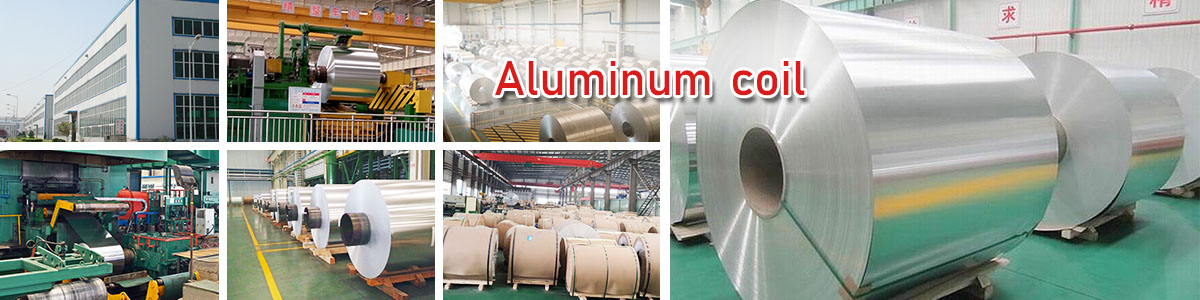
Aluminum anodizing is a multi-step finishing process that creates a durable, tough, and corrosion-resistant surface layer on aluminum parts. It can also be used to change the color and texture of metal parts to create a more attractive
Anodized aluminum parts are durable and hard. As anodized aluminum parts are abrasion resistant and corrosion resistant, they are suitable to be placed in harsh environment. It also provide thermal insulation to metal products. Anodizing aluminum process makes metal parts last longer than raw parts. The the coating is thinner than paints and
Advantages Of Anodized Aluminum. Aluminum is a broadly used material because of its beneficial properties. Although it does not rust, it is still susceptible to other conditions. For example, it can undergo wear and tear, due to oxygen exposure. Here, we’ll dive into the benefits of using the anodizing process on aluminum
Anodized Al is an enhanced form of aluminum that has a better visual appearance and long-lasting anti-corrosive properties. It is an electrochemical process that strengthens the thickness of the oxide layer that is naturally found on the metals. Aluminum alloy contains a natural layer of aluminum oxide on its
What is Anodizing? Anodizing the Finish of Choice. Anodizing is an electrochemical process that converts the metal surface into a decorative, durable, corrosion-resistant, anodic oxide finish. Aluminum is ideally suited to anodizing, although other nonferrous metals, such
Anodizing / 483 additives, temperature, voltage, and amperage. Several conventional anodizing processes and their resulting properties are shown in Table 1. As indicated in the table, depending on the process chosen, an anodizer can impart to the surface of the aluminum item specific properties as desired, depending on the end
anodized aluminum colors. Anodizing colors are important since they say a great deal about the properties of the end product. Therefore, in this article, you will know about anodizing, common anodized aluminum colors, and how to color aluminum products using
Anodized aluminum parts are durable and hard. As anodized aluminum parts are abrasion resistant and corrosion resistant, they are suitable to be placed in harsh environment. It also provide thermal insulation to metal products. Anodizing aluminum process makes metal parts last longer than raw parts. The the coating is thinner than paints and
Anodizing is a process which thickens the natural oxide film resulting in a heavy aluminum oxide film of controlled thickness having the hardness similar to that of a ruby or sapphire. When aluminum is anodized conventionally, direct electrical current (DC) is passed through a bath of sulfuric acid -- the electrolyte -- while the aluminum being
Aluminum Anodizing Explained Aluminum anodizing is a controlled oxidation process that includes 5 distinct stages: cleaning to remove grease and other contaminants, pre-treatment, which comprises etching and brightening, anodising, in which the anodic film is
Anodizing is an electrochemical process, which thickens the naturally formed oxide layer on the aluminum surface. Growing the oxide layer from nanometers to microns in thickness, anodizing is able to change the properties of the aluminum product, resulting in higher corrosion resistance, coloring ability, and a consistent
The aluminum oxide layer formed in the anodizing process is a porous aluminum oxide that can be colored. However, you have to be careful when coloring your anodized aluminum. Depending on the chosen aluminum alloy you might have a coloration of the aluminum oxide layer. This can change the appearance of your final color layer by a few
Intro to ANODIZING of ALUMINUM. Aluminum is \"anodized\" for corrosion resistance, improved appearance, hardness wear resistance, and for a number of specialized reasons like better glue-ability (adhesive bonding) for structural use, improved paint adhesion,
The anodized aluminum sheet production process. The pretreatment process of the alumina sheet is an important part of determining the appearance quality of the product. The removal of mechanical lines, sanding, matt, and brightening are all determined by the pretreatment process. There are
Anodizing aluminum process is widely used for a wide range of applications. For example, you will find anodized aluminum parts in aircrafts, consumer goods, sport equipment, electronics and more. Anodized aluminum parts are durable and
Aluminum extrusions are anodized to delay corrosion, improve lubrication, and allow for colour dying in a process that converts aluminum electrochemically. According to the Aluminum Anodizers Council (AAC), “the anodic structure originates from the aluminum substrate and is composed entirely of aluminum
Anodizing - a method of improving the corrosion resistance of the metal product by forming an oxide layer on its surface. Product, is processed, is the anode electrolytic process. Anodizing product surface increases the resistance to corrosion and wear, and also provides better adhesion for paints and adhesives, than just a \"naked\"
We make anodized aluminum with the streamlined, cost-effective processes you need to protect your project’s budget. Our 2-step aluminum anodizing process delivers a superior finish that won’t fade for decades. Our in-house facilities help you reduce charges, like scrap overages and freight damage, that incur when working for multiple
The anodized aluminum sheet production process. The pretreatment process of the alumina sheet is an important part of determining the appearance quality of the product. The removal of mechanical lines, sanding, matt, and brightening are all determined by the pretreatment process. There are
Hard anodizing creates a superior corrosion resistant layer that is hard as well as abrasion resistant.For example, aluminum anodized in a solution of sulfuric acid at a temperature of 5°C (41°F) creates a thick layer of hard anodic oxide with a dull grey color, whereas at a bath temperature of 20°C (68°F) the sulfuric acid solution creates a soft and thin anodic
anodizing aluminum. AnodizingAluminum J.C.HECKER, JR. Aluminum Consultants Madison, Wisc onsin Anodizing, unlike electroplating organiccoatings, commerciallyunique aluminum.Developed early1930’s, hasgreatly extended appli-cations useswhere metalmight otherwise readilyavailable from finishing job shops throughout
Anodized aluminum an electrochemical process which is why it is a top choice among painters. Anodized aluminum has a wide range of applications due to its excellent properties, including window and door flames finishes, interior applications, and illuminating fittings. Anodized aluminum has superior adhesive properties that allow for easy